
My Research Intrests

1. Music and Health

Caravaggio painting The Musicians
Caravaggio, The Musicians (c. 1595-1596).

“Musick has charms to soothe a savage breast,” wrote William Congreve, an intuition now strongly supported by empirical research. Music has been shown to improve well-being, regulate emotions, and reduce stress, depression, and anxiety. Yet, the mechanisms underlying these effects remain insufficiently understood.

In my research, I investigate how music and other auditory stimuli influence stress and well-being, with a particular focus on psychophysiological processes such as heart rate variability, cortisol, alpha-amylase, and electrodermal activity. By integrating psychological and biological measures, I aim to better understand how sound can be used as an effective tool for health.
2. Music as a Cognitive Artifact

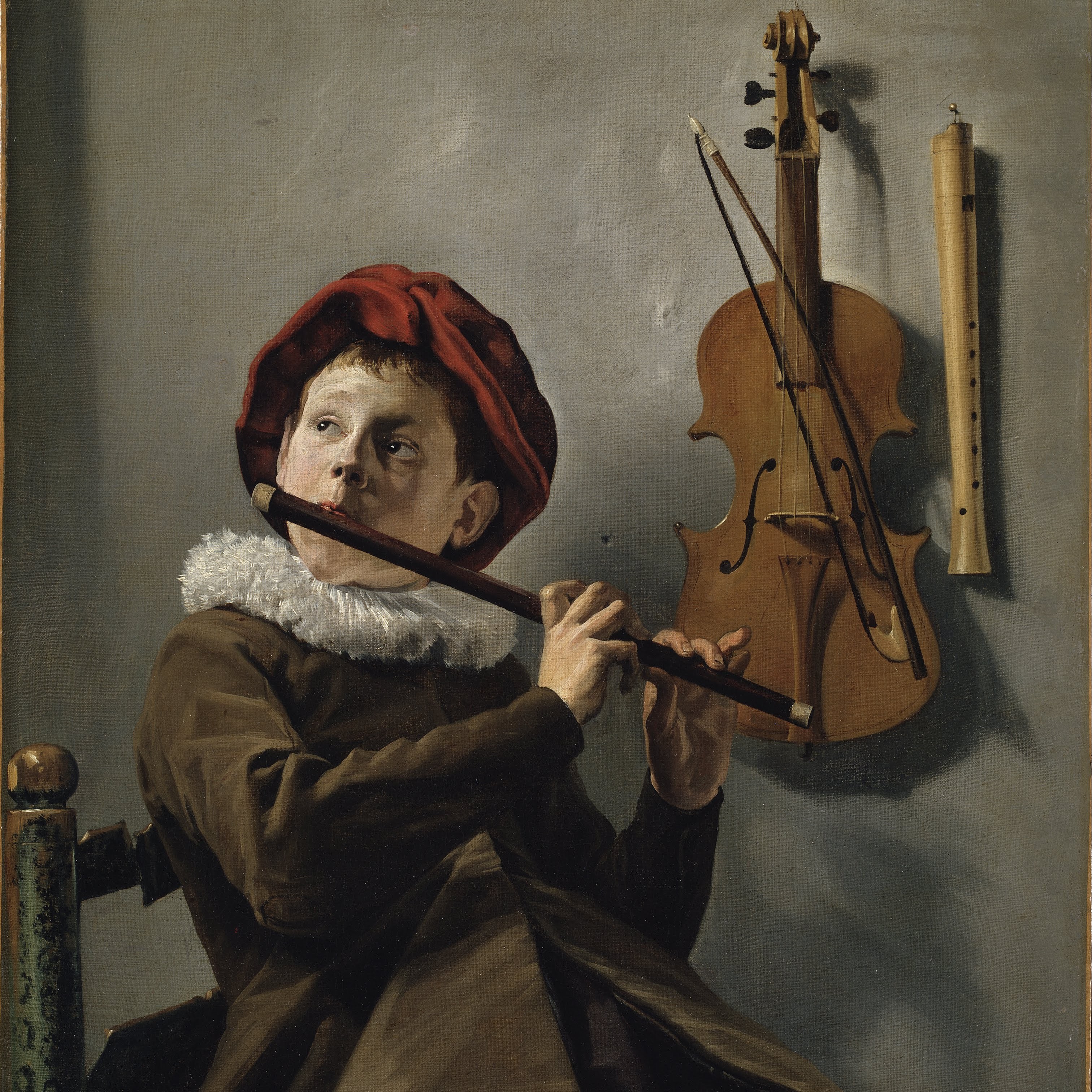
Painting by Judith Leyster
Judith Leyster, Boy Playing the Flute.

Cultural products such as music can be understood as cognitive artifacts that reflect underlying psychological and social processes. Rather than merely supporting cognition, they encode information about human preferences, emotions, and social dynamics.

Using large-scale data and natural language processing methods, I analyze musical content to investigate how psychological states and traits are expressed and evolve over time. This perspective allows for a deeper understanding of music not only as an aesthetic phenomenon, but as a dynamic component of human cognition and culture.

3. Digital Stress Management

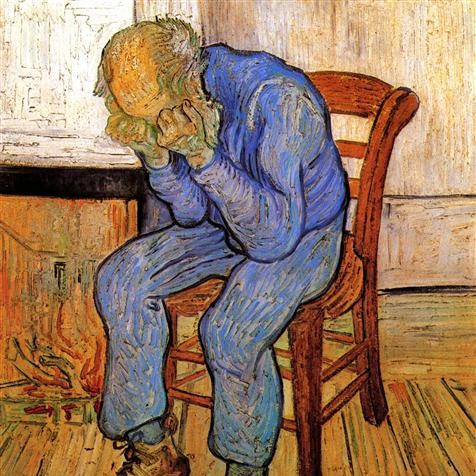
Vincent van Gogh painting On the Threshold of Eternity
Vincent van Gogh, On the Threshold of Eternity (1890).

Stress has become a major public health challenge, with rising rates of stress-related disorders highlighting the urgent need for accessible and effective interventions. Digital technologies offer promising opportunities for low-threshold, scalable stress management in everyday life.

In my research, I examine the effectiveness of digital stress management approaches, focusing on how interventions can be integrated into daily life and how they impact both subjective experience and physiological stress responses.